
Virtual reality table games bring familiar casino formats into an interactive 3D environment where depth, pace, and perspective feel closer to live play than to standard online interfaces. The goal isn’t immersion for its own sake but improving clarity, focus, and decision-making. When used well, VR turns routine games into controlled, readable situations with fewer distractions than physical casinos.
This post explains how VR alters gameplay across core table games, what practical advantages and limitations to expect, and how to build a consistent approach whether you play casually or for long-term skill development.
How VR Changes Table Game Dynamics
VR table games combine live-dealer structure with user-controlled perspective. You can shift angles, track bets visually, and manage information at your own pace. This reduces ambiguity and helps newer players avoid misclicks or rushed decisions that often occur in traditional apps.
The biggest adjustment is pacing. VR tables often run slightly slower than online games but faster than real casinos. This middle ground gives you enough time to think without letting the environment drag.
Interaction and Information Flow
VR interfaces let you manipulate chips, view bet sectors up close, and track dealer actions with clear animations.
These small cues help you evaluate patterns, verify moves, and maintain situational awareness.
However, VR also demands physical comfort. Longer sessions can cause fatigue if you don’t adjust settings or limit playtime. Treat VR tools as enhancements, not replacements for good habits.
Blackjack in VR
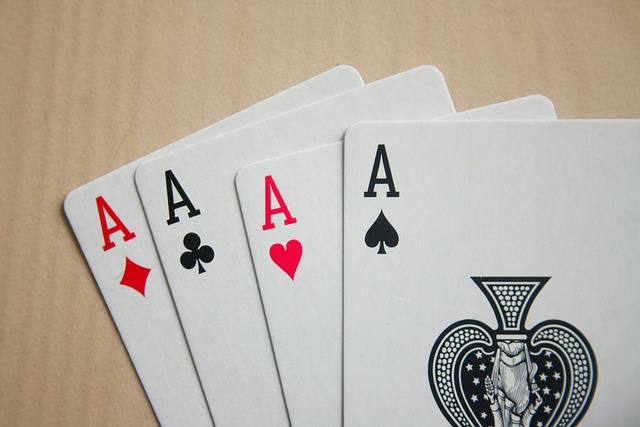
Blackjack benefits from improved readability. You see card values and dealer actions with precise visual cues, which reduces misreads. Managing splits, doubles, and insurance becomes more intuitive because chip placement is spatial, not abstract.
Still, the basics haven’t changed: correct strategy matters more than immersion. VR enhances execution but doesn’t compensate for weak fundamentals.
Practical Tips for VR Blackjack
Keep the same rule evaluation checklist you would use in a live casino.
Look for number of decks, dealer standing rules, availability of surrender, and payout structure.
Take a moment at the start of each session to adjust your camera angle so you can read all cards clearly. Small visual discomforts lead to rushed decisions over time.
A quick list of rule sets worth prioritizing:
- Dealer stands on soft 17
- Double after split allowed
- Late surrender available
- Blackjack pays 3:2
- Fewer decks (four or six preferred)
Roulette in VR
Roulette’s main challenge online is keeping track of chip placement and verifying the board layout. VR solves this by letting you inspect sectors, zoom on number groups, and shift between table and wheel views.
The wheel animation also makes it easier to track spin consistency. While this doesn’t create an edge, it improves understanding of rhythm and timing, which helps some players maintain steady bet pacing.
Common Pitfalls
VR roulette can encourage overly complex board coverage because the interface makes multi-area betting visually appealing.
This often leads to unnecessary risk without improving expected outcomes.
Another pitfall is misinterpreting visual streaks. VR’s realism can make patterns feel meaningful even when they’re not. Stick to structured staking, not gut feeling.
Here’s a simple table comparing common VR roulette bet types:
| Bet Type | Risk Level | Payout | Best Use Case |
|---|---|---|---|
| Even Chance | Low | 1:1 | Bankroll stability |
| Dozens/Columns | Medium | 2:1 | Semi-aggressive spreads |
| Straight Up | High | 35:1 | Targeted, low-frequency plays |
| Splits | Medium | 17:1 | Controlled number clusters |
| Corner Bets | Medium | 8:1 | Balanced board coverage |
Other VR Table Classics

Craps, baccarat, and poker variants appear in many VR casinos. While immersion helps with pace and clarity, each game still depends on standard mechanics and house rules.
Craps gains the most from VR because physical layout and dice visibility matter. VR lets you observe dice rolls cleanly and place bets without the chaos of crowded real tables.
Baccarat and hold’em variants benefit more from VR pacing than from visuals. You get steady, predictable rounds with clear information flow, which is useful for players who rely on pattern tracking or structured betting systems.
Building a Sustainable VR Play Routine
Begin with short sessions to test comfort, especially if you’re switching from flat-screen apps.
Next, establish a stable bet size and stick to it for at least one full session to avoid overreacting to the immersive environment.
Review your habits weekly. VR can subtly alter your timing, risk tolerance, and attention span. Adjust settings, lighting, and play length to keep decisions rational.
